
When Presidents Ignore the Economic Mood
Both Parties have been Guilty of Ignoring Economic Pains of Voters
History Repeats Over and Over and Over Again with Few Lessons Learned
There is a long history of Presidents and the parties in power to dismiss the concerns of voters when they are saying hey, I’m feeling some economic stress. Jobs are scarce, prices are rising even if overall inflation numbers seem ok, I can’t afford a house despite lower interest rates. The list goes on and on. I asked ChatGPT to help with this history and here is an analysis.
When Presidents Miss the Economic Mood, Voters Respond
Throughout modern American history, one pattern shows up again and again:
When voters feel economic pain — and believe their leaders don’t fully grasp it — political consequences usually follow.
This isn’t partisan. It has happened to both Republicans and Democrats.
Here are several clear historical examples.
Herbert Hoover (Republican)


“Backdrop: The Great Depression
Unemployment soared above 20%. Hoover projected optimism, but many Americans felt Washington was not responding forcefully enough.
Result:
Hoover lost in a landslide to Franklin D. Roosevelt in 1932. Republicans were pushed out of power for years.
Suggested caption: Economic collapse reshaped the 1932 election.”
Jimmy Carter (Democrat)


“Backdrop: Stagflation — high inflation, slow growth
Prices surged. Gas lines became symbols of frustration.
Result:
Carter lost decisively to Ronald Reagan in 1980. Democrats also lost the Senate.
Suggested caption: Inflation often drives political change.”
George H. W. Bush (Republican)


“Backdrop: Early 1990s recession
Foreign policy successes didn’t outweigh domestic concerns.
Result:
Bush lost to Bill Clinton in 1992.
Suggested caption: Voters focused on jobs and wages in 1992.”
Barack Obama (Democrat)

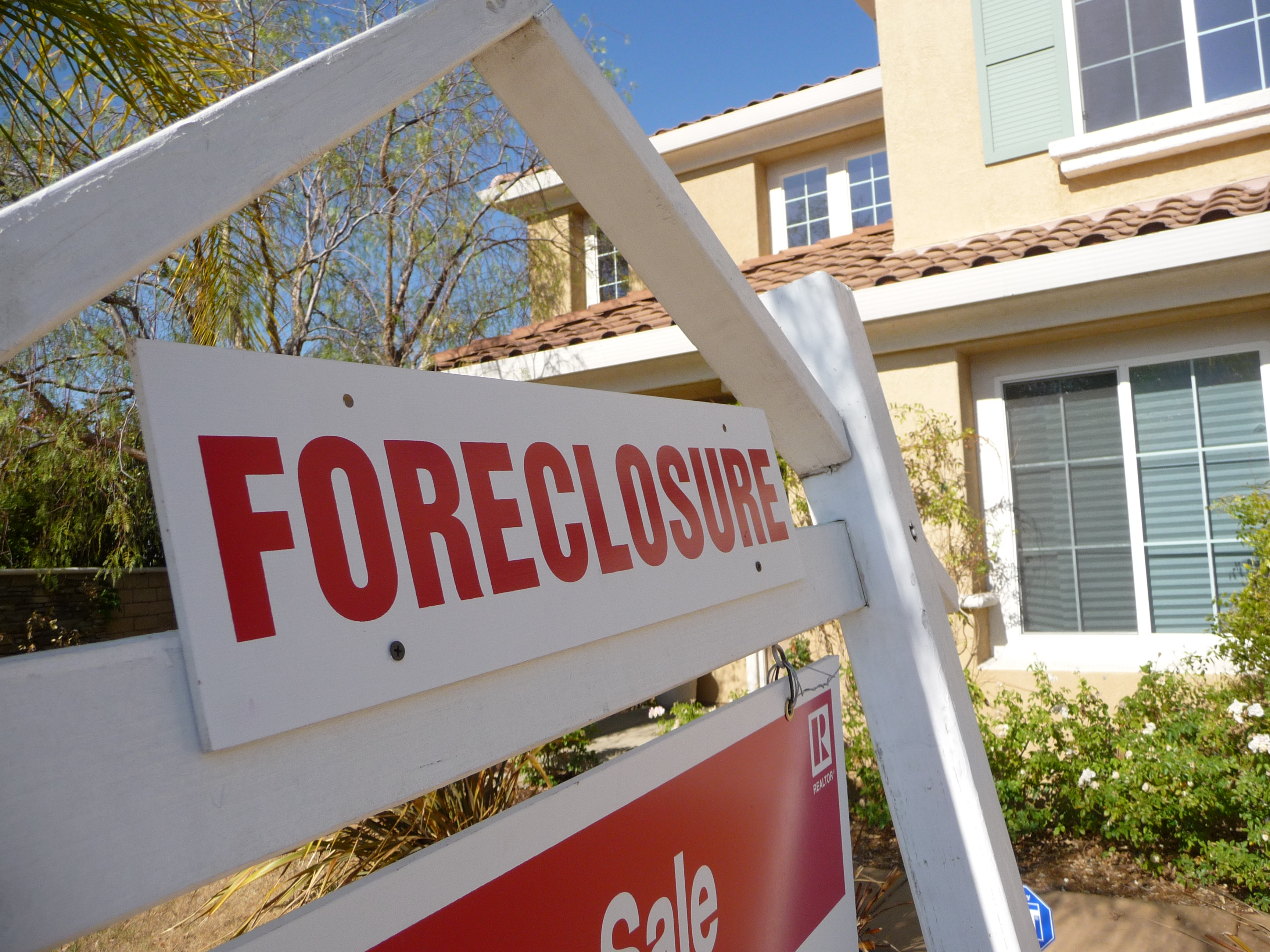

“Backdrop: Slow recovery after the 2008 financial crisis
Even as data improved, many households still felt strained.
Result:
Democrats lost 63 House seats in the 2010 midterms.
Suggested caption: Midterms often reflect economic frustration.”
My main point is statistics don’t matter, blaming the either party doesn’t work, inflation is especially dangerous and midterms are often backlash for underestimating pain communicated by the average American. I saw history repeating itself when I watched the State of the Union Address and party members who were more celebratory than concerned about the future of their constituents.